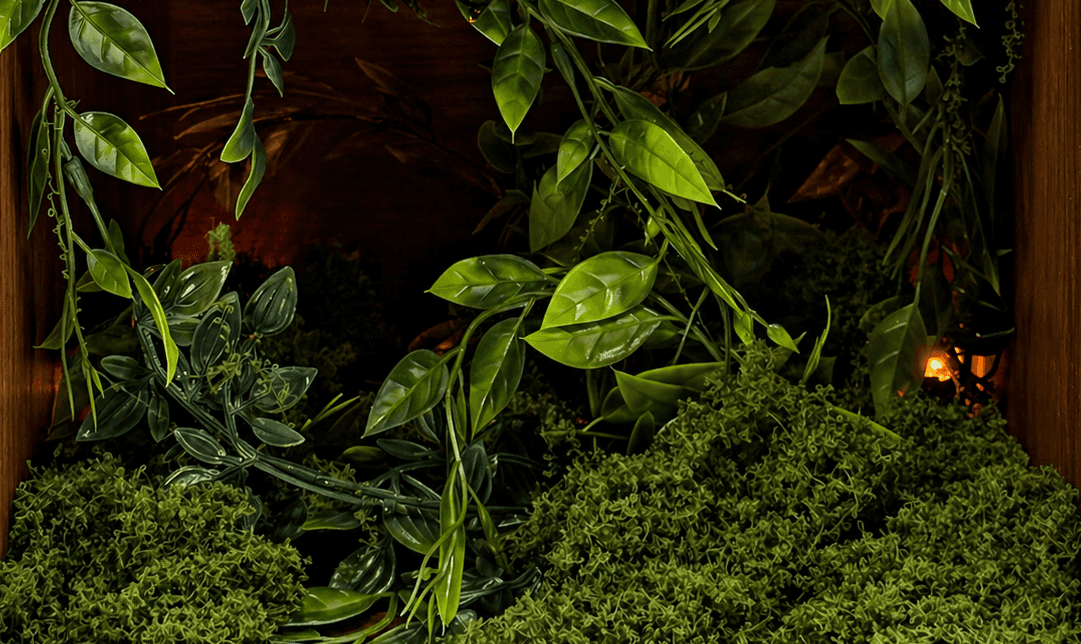
A companion piece to Spatial Identity, turning the same modular logic inward.
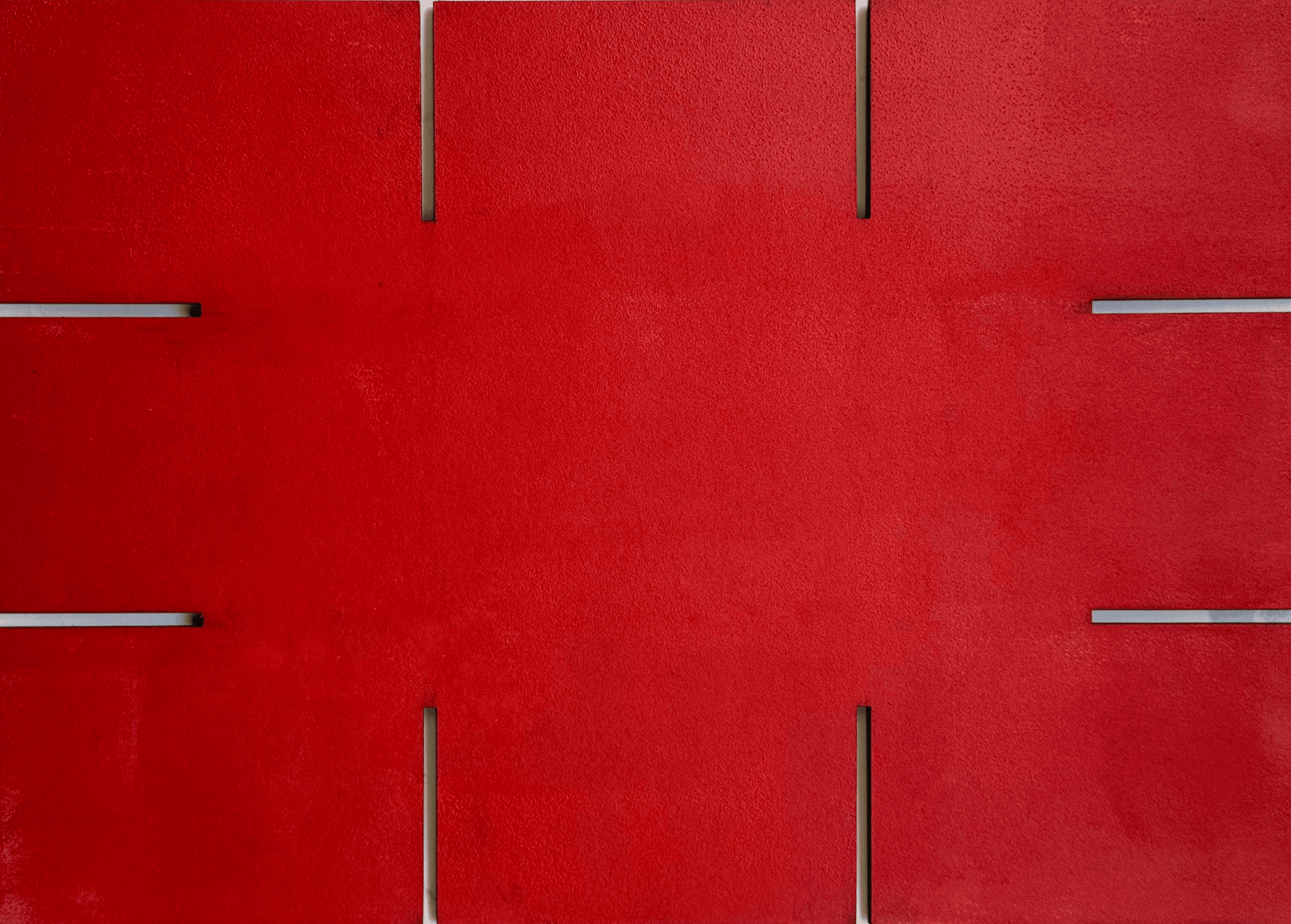
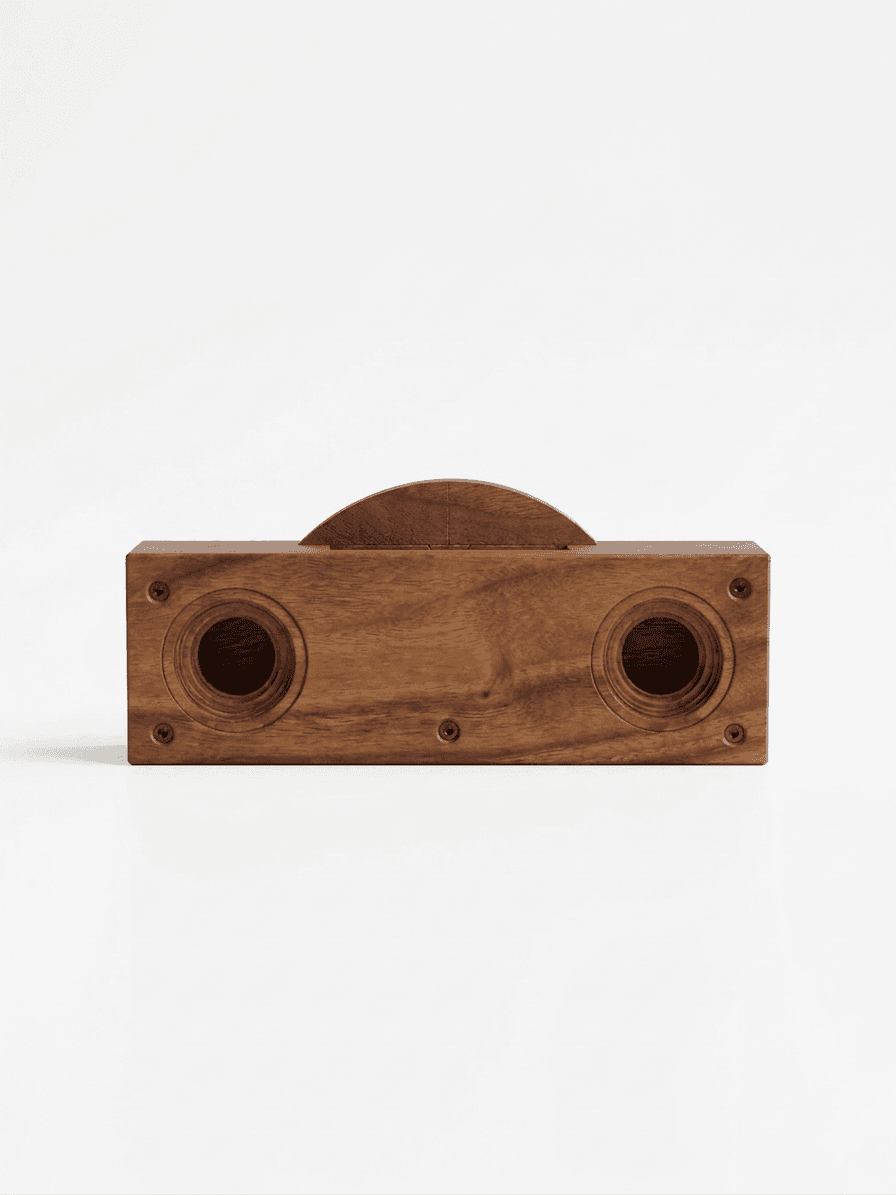
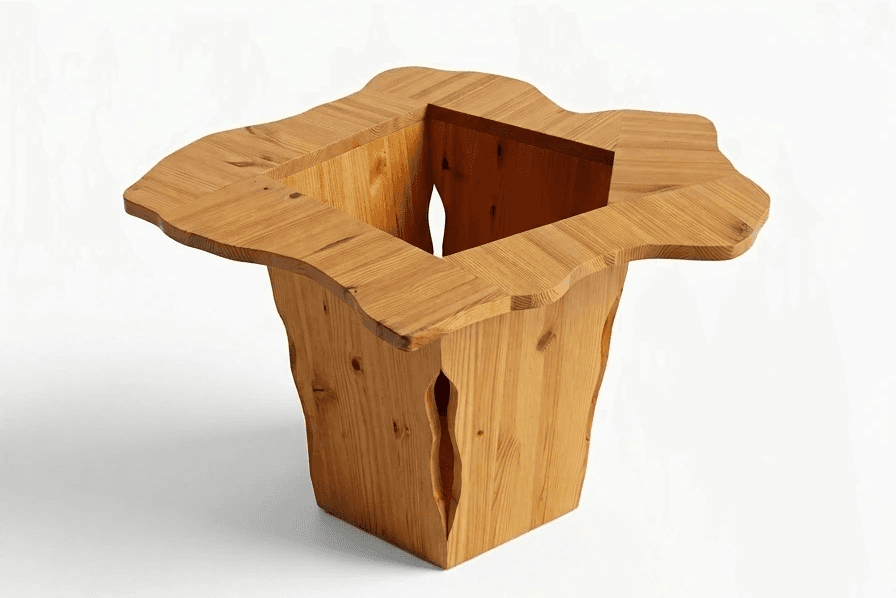
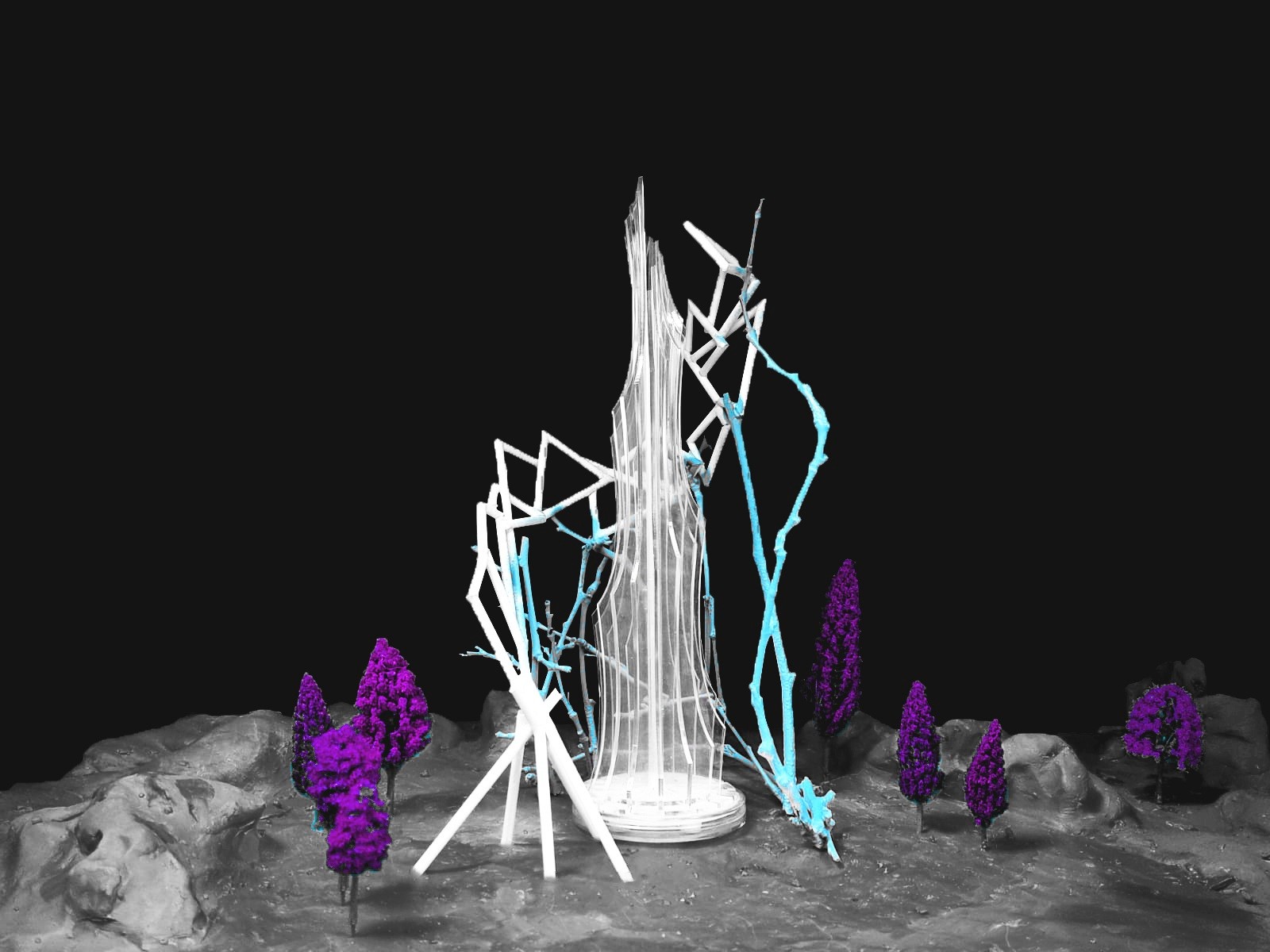
Spatial Identity (Inside) is a companion installation to Spatial Identity, using four small box interiors to explore what the outer structure cannot show. Each box contains symbolic objects connected to my mother — nature, coffee, childhood memory, and art — creating a quieter, more intimate reading of the same material system.
- Role
- Interior Composition · Fabrication
- Category
- Installation
- Context
- Goldsmiths, University of London
- Year
- 2025
- Tools
- CAD + Hand Tools
- Credits
- Goldsmiths, University of London
Companion Premise
While Spatial Identity focuses on the exterior structure of care packages, this companion piece turns attention inward. The work asks what remains hidden inside acts of sending: memory, habit, taste, and personality.

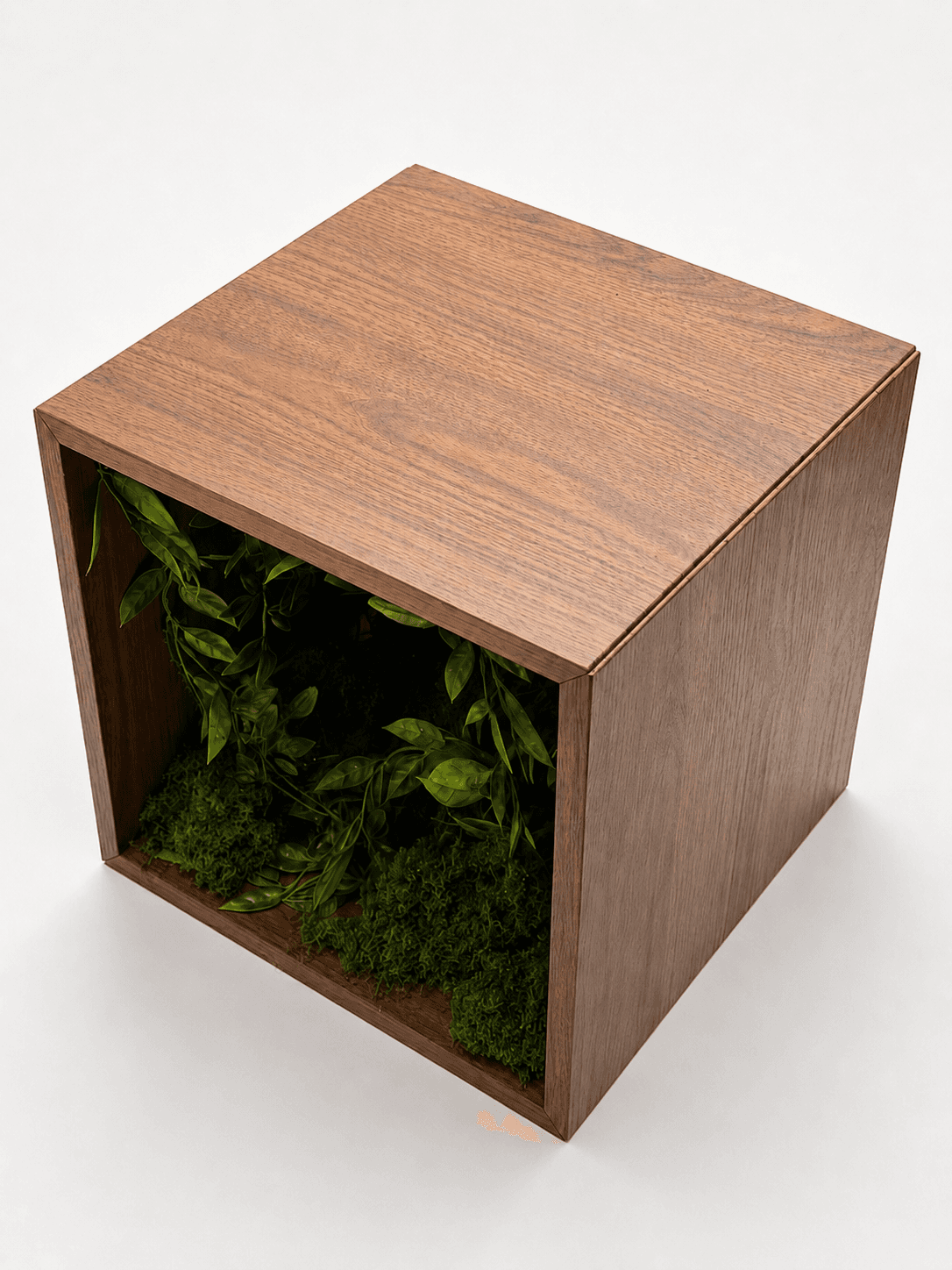

Object Selection
Four objects were selected as symbolic portraits of my mother: nature, coffee, childhood memory, and art. Each object represents a part of her life that I understand through fragments rather than full explanation. Together, they form a small personal archive.


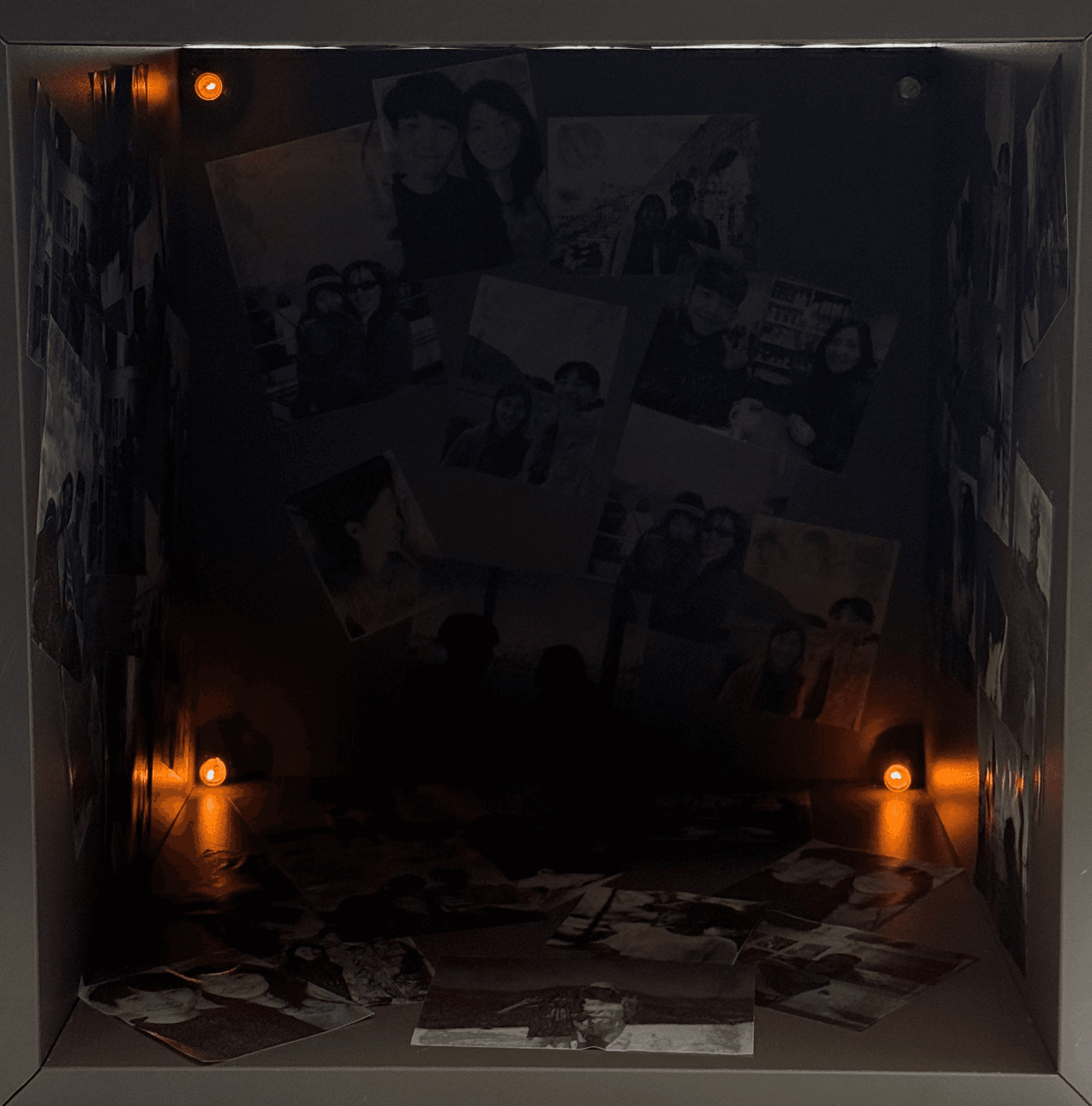
Interior Construction
Each box was built using the same modular language as the main installation. The interiors were arranged like small vitrines, with low lighting and limited visibility. Viewers have to lean in to see the details, making the act of looking more private and deliberate.

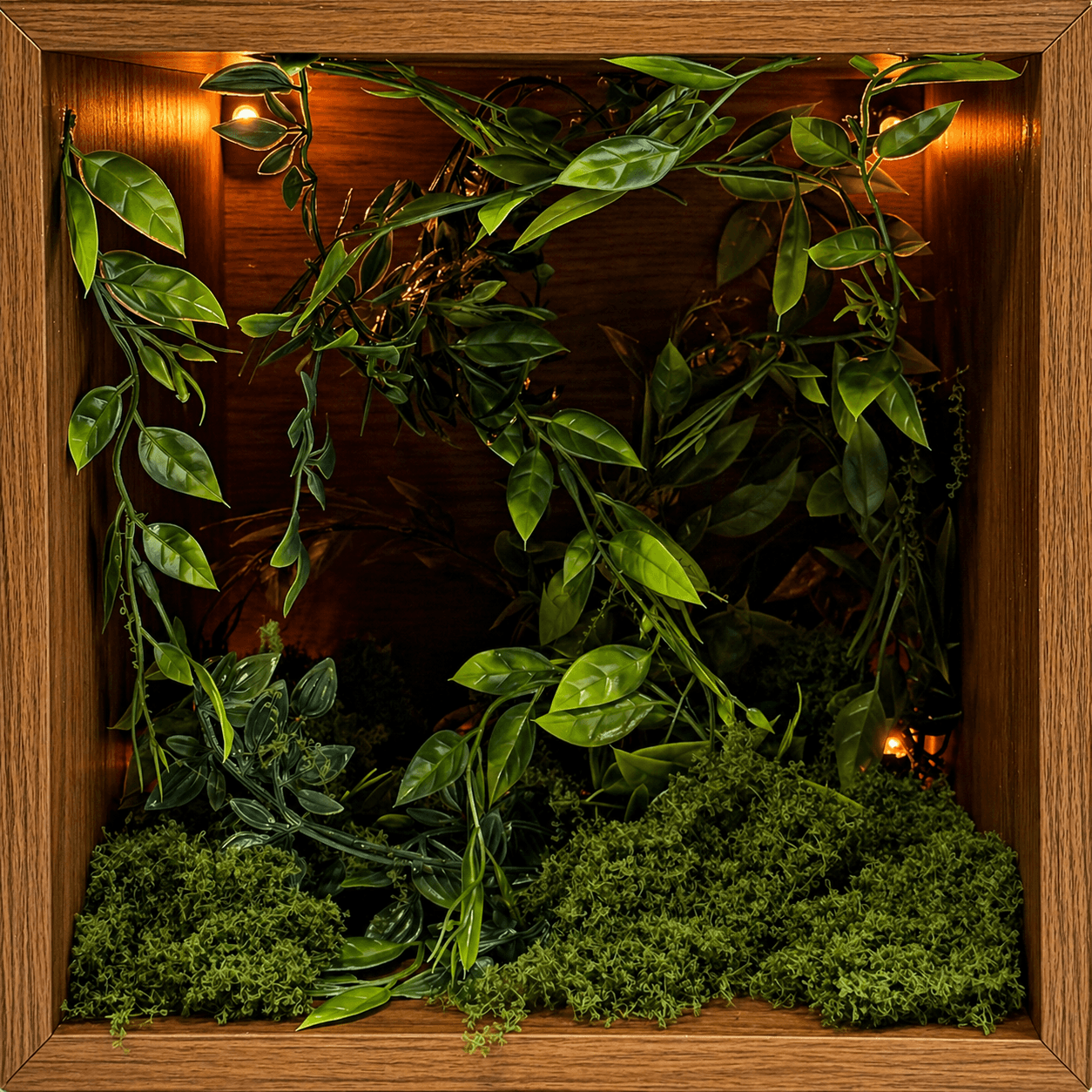


Interior Reading
The piece is intentionally quieter than the main installation. Instead of showing distance through scale, it uses small objects and enclosed spaces to suggest the parts of a person that remain internal, even within close relationships.