View Project
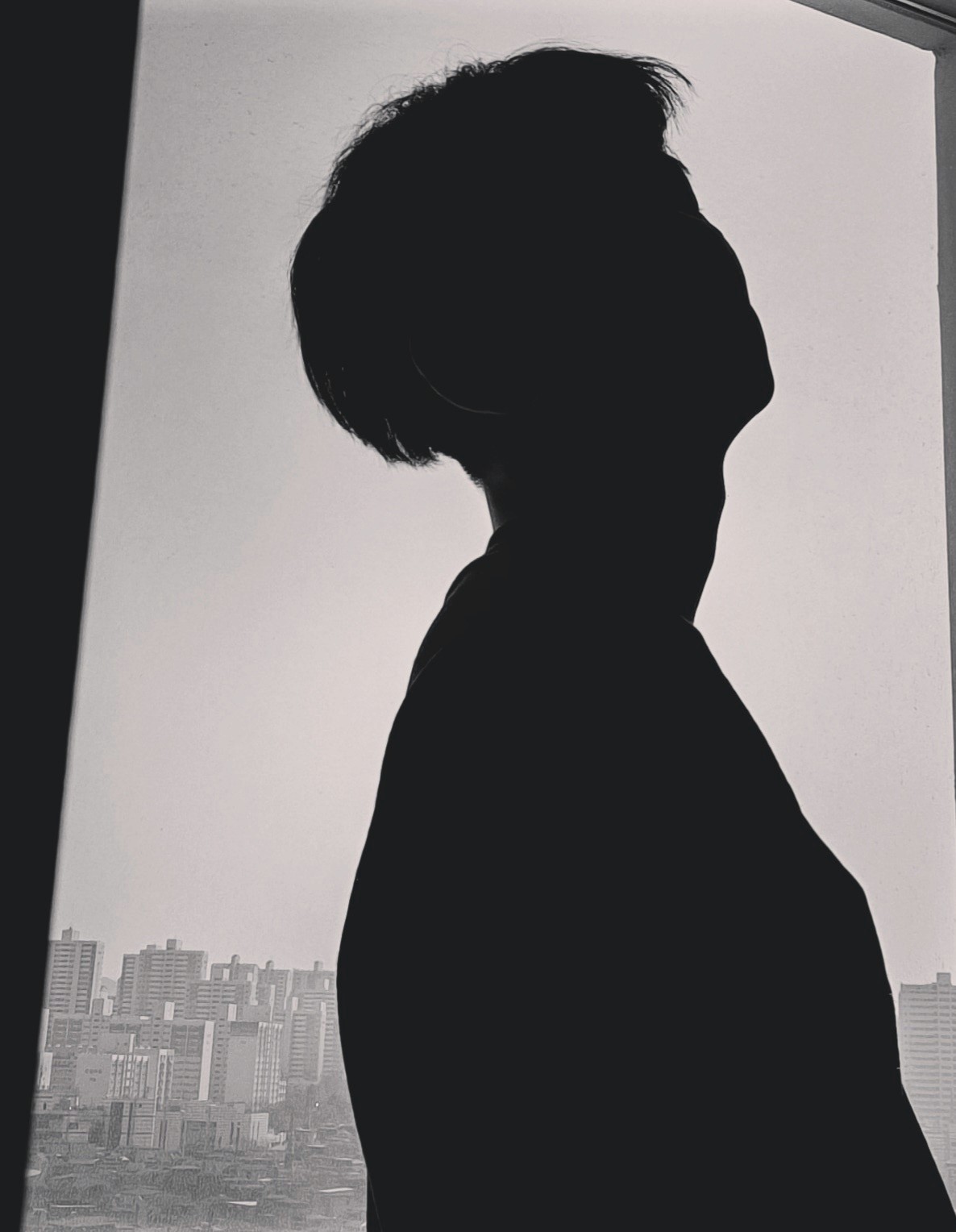
I will be twenty-five in October. I left Goldsmiths last year. I have done one internship at a commercial studio, one studio team project under a licensing deal, and a handful of self-initiated projects from school. By any honest reading, I am a junior designer in the most literal sense.
I want to write about what that role actually looks like right now, because I think it has changed since the last generation of people who held it.
The first thing that has changed is the tools. By the time I graduated, the boundary between what a designer does and what a tool does had shifted by a noticeable amount. I can describe a layout in plain language and get something close in seconds. I can generate variations of an image faster than I can sketch them. None of this replaces the judgement that decides which version to keep, but it does change the ratio of time I spend executing to time I spend deciding. I think this is, on balance, good. I also think it has consequences that have not been fully worked through yet. Mostly about what a junior is expected to be able to do without leaning on a tool.
The second thing that has changed is what a portfolio looks like. When I read what studios write about hiring, I see two demands pulling in opposite directions. They want depth, strong projects, honest framing, evidence of thinking. They also want range. I can show you ten things. I can show you four things done well. Doing both, when you are twenty-four and have not had time for both, is structurally hard. I have made my peace with showing four things done well and being honest about the rest.
The third thing that has changed is what we are expected to talk about. Senior designers I admire are publicly thinking about climate, about how studios should be structured, about AI, about labour, about who design serves. As a junior, you cannot credibly weigh in on most of those debates without sounding like you are auditioning. I have decided, for now, to write about smaller things. The projects I worked on, the studios I learned from, the cities I have lived in. The bigger conversations will be earned. I am not in a rush.
What I think the junior role actually is, in 2026, is this. You are someone who can execute precisely, take feedback without flinching, learn the studio's pipeline quickly, and contribute to projects whose direction has already been set by someone more senior. You are not the person who decides where the project goes. You are the person who makes sure the project gets there well. That is not a lesser role. It is the role that produces, over a few years, someone who can take the senior position seriously.
I think there is a temptation, in my generation, to skip this stage. The tools make it possible to look like a more senior designer than you are. I have seen juniors describe themselves as having led projects they contributed to, because the platform rewards that language. I do not want to be that. I would rather be the version of myself that did one shoot well at DBYFO, and one installation well at Goldsmiths, and is honest about the rest.
The other half of being a junior, which nobody told me, is that you are also building a working relationship with your future self. The decisions you make now about how honestly you describe your work, which studios you take seriously, what you read and what you ignore, compound into the designer you become. I am twenty-four. The designer I will be at twenty-seven is being made by the small habits I am setting now.
I find this consoling, in a way. The job is not to be impressive. The job is to be specific. If you are specific and patient and a little stubborn about your standards, the rest is time.
If you are also a junior reading this, pay attention to which senior designers you want to work with five years from now. Read what they write. Notice how they handle credit. The studio you join first will shape your second studio. The work you do well now will be the work you do well later. Nothing about this is fast. That is the consolation, and the warning.
YGW
LET'S CREATESOMETHINGGREAT.
© 2026 Geonwoo Yang. All Rights Reserved.